

Plumbing pipes quietly power every modern home, making fresh water and efficient drainage easy, yet most homeowners rarely consider which pipe types run behind their walls. Selecting the right pipes for water supply or drainage is much more than a technical detail—it shapes everything from water quality to maintenance costs. With recent advancements in plumbing piping types, there’s never been more variety or choice for home piping solutions.
This guide from Ready Remodel breaks down the different types of plumbing pipes for homes—offering background, honest pros and cons, and a look at pipe costs, so you can make a truly informed decision for your next remodel or repair. Curious about the best type of plumbing pipes for your specific needs? You’re in the right place.
Types of Pipe for Plumbing: What Homeowners Should Know
Today, American homes use several major types of pipes in plumbing. These range from ultra-modern flexible plastics to timeless metals, each engineered for specific conditions. Below, we go step-by-step through the major types of pipes used in water supply and drainage systems—including when and why each type of pipe for plumbing makes sense.
1. PEX Pipes: Flexible & Adaptable for Modern Homes
- Cost: $0.30 – $0.82 per linear foot
- Best Use: Hot & cold water supply, repiping renovations, tight spaces
PEX (cross-linked polyethylene) is one of the most popular types of plumbing pipes in the U.S. for new construction and remodels. These pipes are incredibly flexible, allowing for fewer fittings and easy maneuverability around corners. Many homeowners and contractors favor PEX as the go-to plumbing supply pipe due to its fast installation and relatively low price.
Pex piping has transformed the way home plumbing systems are installed—some even claim it’s made larger projects (such as complete house repiping) possible in just days instead of weeks.
- Simple installation and repairs
- Freeze-resistant, less likely to burst in cold climates
- Affordable compared to copper
- Not fit for sunlight, can degrade outdoors
- Needs specialized PEX tools for secure connections
2. Copper Pipes: The Gold Standard in Durability
- Cost: $1 – $3 per linear foot (1 ½” to 2” types: $6.70 – $8.40 per foot)
- Best Use: High temperature, high pressure, both hot and cold water
Copper pipes have long been the backbone for home plumbing systems. Their outstanding reliability and resistance to corrosion make them a premium choice for water supply lines in many homes, even though the copper pipe cost per linear foot is higher than most plastics. Some homes with original copper still enjoy excellent water quality after 60+ years!
- Long-lasting (over 50 years for many systems)
- Does not leach chemicals into water
- Handles heat and pressure extremes
- Pricey and sometimes overkill for low-demand areas
- Can corrode from highly acidic water
- Requires a torch and skill for installation/repair
3. PVC Pipes: Lightweight, Affordable, Trusted
- Cost: $0.50 – $5 per linear foot
- Best Use: Drain lines, vents, cold water supply, DIY projects
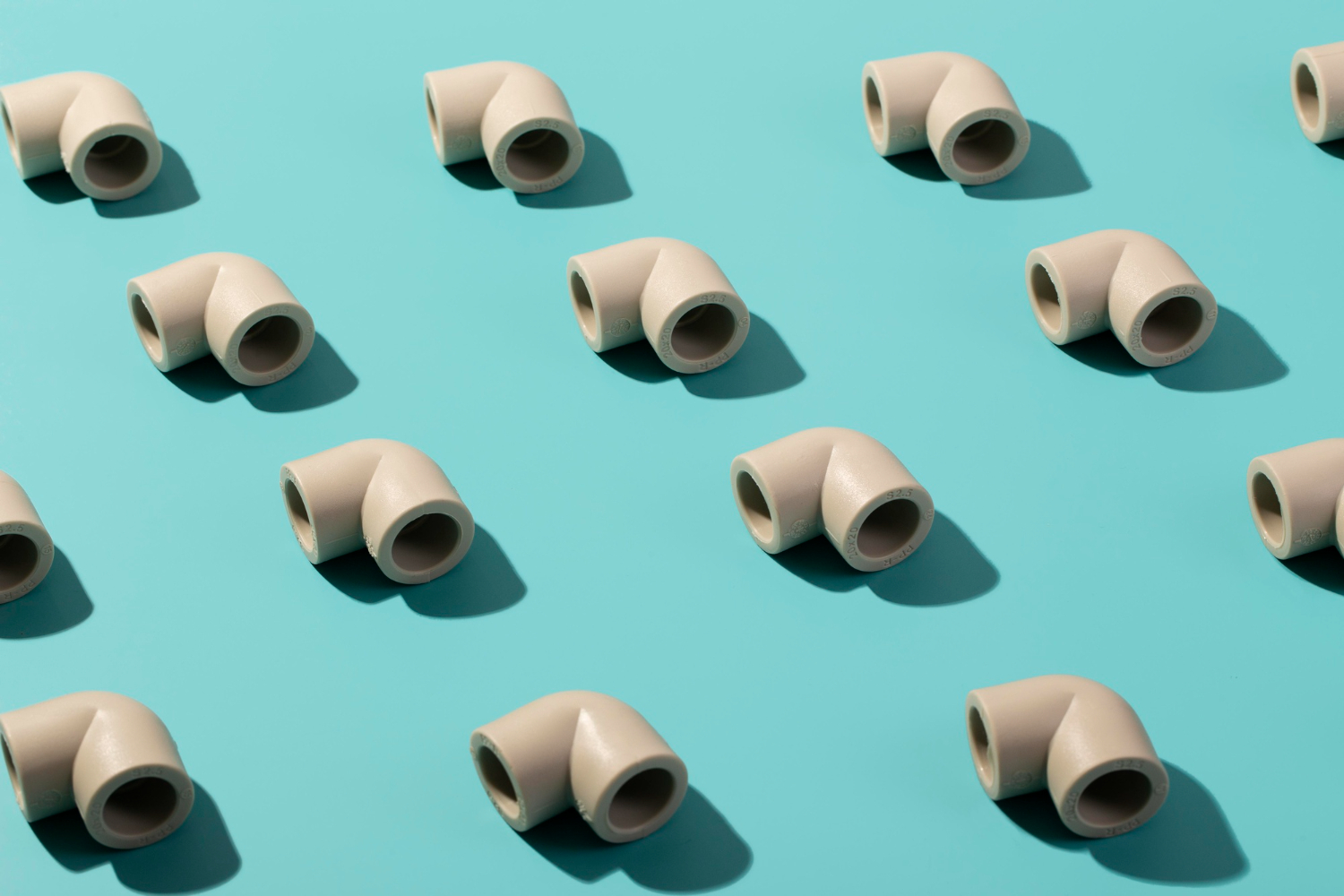
PVC (polyvinyl chloride) pipes are widely used for home plumbing piping systems, especially for drains and venting. They’re easy to work with, inexpensive, and available in a variety of diameters. Many homeowners recognize PVC as the white pipe running under sinks and out through basement walls.
- Can’t corrode or rust
- Super lightweight, hassle-free installation
- Excellent for low-pressure and non-pressurized applications
- Not suitable for hot water or high pressure
- React poorly to sunlight if installed outdoors
4. CPVC Pipes: The High-Temperature Solution
- Cost: $0.40 – $1.56 per linear foot
- Best Use: Hot and cold water lines, high-temperature supply
CPVC (chlorinated polyvinyl chloride) looks similar to regular PVC but is engineered to handle hot water, making it popular for both residential plumbing pipes and commercial uses where warm water is needed. In houses with high water temperatures or complex supply lines, CPVC presents a great balance between price and performance.
- Tolerates temperatures up to 200°F
- Less expensive than copper, easier for DIYers
- Not as flexible as PEX, can become brittle with age
- Chlorine-resistant but might need more support to prevent sagging
5. Galvanized Steel Pipes: Strong but Rarely Used in New Construction
- Cost: $2 – $5 per linear foot
- Best Use: Old homes (pre-1970), temporary patches
Galvanized pipes—heavy-duty steel coated in zinc—were once common, especially in older American homes. Today, these pipes are rarely used for new installations and are often replaced due to corrosion and potential for contamination. Still, you might encounter galvanized steel if you’re renovating or repairing a historic residence.
- Strong, durable structure
- Handles high pressures well
- Heavy, hard to replace or repair
- Corrodes inside over time, reducing water pressure and quality
A Quick Comparison: Types of Pipes Used in Water Supply and Drainage
| Pipe Material | Typical Uses | Cost per Foot | Main Strengths | Main Drawbacks |
|---|---|---|---|---|
| PEX | Hot and cold water supply | $0.30 – $0.82 | Flexible, freeze-resistant | UV sensitive, needs special fittings |
| Copper | Water supply, heating | $1 – $10 | Durable, no chemicals leaching | Expensive, may corrode |
| PVC | Drainage, vent pipes | $0.50 – $5 | Inexpensive, corrosion-proof | Not for hot water, weak to sunlight |
| CPVC | Hot and cold water | $0.40 – $1.56 | Heat-resistant | More brittle, pricier than PVC |
| Galvanized Steel | Older plumbing systems | $2 – $5 | Strength, pressure resistance | Corrodes, heavy, hard to install |
Of course, those aren’t the only plumbing piping types found in homes—some regions use black iron pipe (mainly for gas), or even polybutylene (now outdated). When evaluating different water pipes for your home, always check what’s legal and compatible in your state.
How to Choose the Best Type of Pipe for Plumbing in Your Home
The best type of pipe for plumbing depends on several factors unique to your home. A few years back, we spoke with a homeowner from Denver who decided to switch from galvanized to PEX after constant leaks—saving nearly $2,000 in repair costs in just three years. Ready Remodel recommends considering the following when picking household plumbing pipes:
- Budget – PEX and PVC are usually less expensive upfront, while copper and CPVC will drive up that first bill but deliver more longevity.
- Specific Use – For drainage, PVC is ideal. For main water supply lines, copper or PEX usually top the list. Hot water? Go for CPVC or copper.
- Climate and Location – For freezing temperatures, flexible and resilient PEX may prevent burst pipes. For high-pressure or very hot water, copper excels.
- Long-Term Maintenance – Spend a bit more now on a premium plumbing piping system, and you’ll often avoid dozens of small repairs later.
It’s almost always wise to talk to a qualified plumber before making any final decisions. The right contractor can help you evaluate all types of plumbing supply lines for both efficiency and local codes.
Long-Term Benefits of Choosing the Right Plumbing Pipe Types
Beyond initial installation, your choice affects water taste, potential for clogs, energy efficiency, and even the resale value of your property.
- Longer system lifespan—no costly replacements every decade
- Cleaner water from pipes that don’t leach chemicals or rust
- Reduced leaks and maintenance headaches
- Improved energy efficiency—especially with insulated or heat-proof pipes
One recent client in Texas shared that after replacing aging galvanized lines with PEX, their water pressure doubled nearly overnight—a life upgrade for the whole family.
Cost of Plumbing Pipes: What to Expect in 2024–2025
The cost of replacing or installing plumbing pipes changes according to material, region, and plumber expertise. Here’s a quick cost overview:
- PEX Pipes: $0.30 – $0.82 per linear foot
- Copper Pipes: $1 – $10 per linear foot (size-dependent)
- PVC Pipes: $0.50 – $5 per linear foot
- CPVC Pipes: $0.40 – $1.56 per linear foot
- Galvanized Steel Pipes: $2 – $5 per linear foot
Labor, fittings, and installation costs can vary widely. Most homeowners should expect to invest an additional $500–$1,500 for installation labor by a certified professional, with plumber rates per hour between $45 and $150. Pricing can swing with local demand, project difficulty, and even seasonal factors in your area.
Ready to Upgrade Your Home Piping? Here’s the Next Step
Whether you’re simply replacing a few supply lines or planning a whole-home repipe, understanding the different types of plumbing pipes—and their strengths and weaknesses—ensures you invest wisely. Today’s options for residential water piping mean there’s a perfect solution for every American home.
Ready Remodel is here to help you choose the right mix of affordability, durability, and efficiency. If you’re ready to talk details—like which plumbing tubing types are best for your region, or average pipe costs in your city—reach out for a customized consultation.
Investing in quality plumbing options now pays off in peace of mind and home comfort for years to come.