
Carpeting adds comfort and warmth to any home, but it won’t last forever. Even with careful maintenance, there comes a time when your carpet begins looking tired or causing issues. Whether you’ve just moved in or are watching your wall-to-wall carpet age, it’s important to understand the average carpet life expectancy, the signs to watch for, and when a replacement is a smart investment.
Let’s dive deep into the question homeowners always ask – how long should carpet last? And more importantly, how do you know when your carpet needs replacing?
What Is the Average Lifespan of Carpet?
Most carpets last between 5 and 15 years, with average carpet life around 10 years depending on the fiber, padding, traffic, and ongoing care. However, the lifespan of carpet varies:
- Low-traffic areas: Up to 15 years with high-quality carpet
- High-traffic rooms: 5 – 7 years before noticeable wear
- With pets or kids: Often at the lower end, especially without regular cleaning
Here’s a quick breakdown:
| Carpet Material | Expected Lifespan | Typical Uses |
|---|---|---|
| Nylon | 12 – 15 years | Living rooms, hallways |
| Polyester | 5 – 10 years | Bedrooms, low-traffic areas |
| Olefin (Polypropylene) | 7 – 10 years | Basements, area rugs |
| Wool | 15+ years | Luxury spaces |
Things like how often to replace carpets, or when carpet needs to be replaced, depends not just on material, but on signs of wear and the role carpet plays in your daily life.
7 Signs Your Carpet Needs to Be Replaced
It’s tempting to squeeze every last day out of old carpeting, especially in areas that see less use. But ignoring the signs can impact health, home value, and comfort. Based on thousands of homeowner experiences across the US, Ready Remodel outlines the key signals:
1. Persistent Stains and Discoloration
If you’re constantly shifting furniture or using rugs to hide visible stains, your carpet might be past help. Stains from wine, ink, pet accidents, or bleach rarely come out completely, especially once they’ve seeped into the carpet padding. Home-use cleaners can only reach the surface.
- Permanent discoloration that doesn’t lift with professional cleaning
- Bleach or chemical spots
- Yellowing, unsightly blotches in high-traffic zones
Now and then, we hear from clients who tried every trick in the book – baking soda, vinegar, rental machines – only to end up with a faded patch. If the stains are multiplying, it’s time for a refresh.
2. Lingering Odors That Don’t Go Away
Maybe you have pets or a few accidents happened long ago, but if every vacuum session is followed by a stale, musty smell, deep cleaning might not cut it. Odors embedded in the carpet pad or even subfloor signal possible mold or mildew, particularly when carpets have been wet for extended periods.
- Pet urine or smoke odors that keep coming back
- Mildew-like smells despite frequent cleaning
3. Visible Wear, Matting, and Flattened Areas
Over time, carpet fibers lose their natural lift. If your wall to wall carpet looks matted, thin, or permanently flattened – especially along main walkways – no amount of vacuuming or professional cleaning will restore it. Polyester in particular mats down quickly, while nylon fares better but still has its limits.
Signs include:
- Patches where the pile is worn flat
- Bare areas or frayed threads along paths
- Bumps, ripples, or “waves” that won’t smooth out
A Ready Remodel homeowner in Seattle once shared, “After a decade, our stairs looked so threadbare, my kids started slipping. That was our sign.”
4. Water Damage, Mold, or Mildew
Any carpet that’s been soaked for 72+ hours – due to flooding, leaks, or repeated spills – faces increased risk of mold. Even quick drying can leave hidden moisture in the pad or underlayment.
- Dark spots or fuzzy growth under the surface
- Musty smells that worsen after rain or humidity
Don’t risk your indoor air quality or health – replacing is safer than hoping for the best.
5. Deteriorating or Uncomfortable Carpet Padding
The cushion under your carpet does more than provide softness. Padding supports the carpet, reduces noise, and insulates. If walking on your carpet now feels uneven, noisy, or “crunchy,” the padding may be breaking down.
Watch for:
- Wrinkles and ripples on the carpet surface
- Crinkling sounds as you walk
- Areas that feel thin or “bottom out” underfoot
6. Increased Allergy Symptoms Indoors
Over the years, carpet acts like a filter, trapping dust, allergens, and pet dander. If you notice worsening allergy symptoms, coughing, or sneezing – especially after cleaning – your old carpet may be to blame. Newer carpets or hard flooring are less likely to trigger chronic issues.
7. Age of Your Carpet
Even if visible damage is mild, carpet rarely lasts longer than 10 – 15 years, especially in active homes. If your carpet predates your children, survived college years, or has been through too many clean-ups to count, it might be time for an upgrade.
- Loss of color and fading
- Ripples, wrinkling, or detached edges
- Sagging or an uneven feel you can’t fix
Homebuilders and carpet manufacturers alike agree: the average life of a carpet is a decade. After that, recurring stains, matted fiber, and loss of padding support are inevitable.
How Often Should You Replace Carpet in Your Home?
The frequency of carpet replacement depends on multiple factors. Here are some general guidelines for homeowners wondering:
- Bedrooms & low-traffic areas: 10 – 15 years
- Stairs and hallways: 5 – 7 years on average
- Homes with pets and children: Often every 5 – 8 years due to increased wear
- Rental properties: Check and update carpet between tenants or every 5 – 7 years
Still, how often should carpet be replaced comes down to your comfort, lifestyle, and any of the warning signs above.
Cost to Replace or Install New Carpet
Replacing carpet is a great way to refresh your space, but what should you budget?
- Typical living room installation (330 sq ft): $1,800 average
- Carpet repair: Usually $200 per area
- Whole-home installations: $800 – $3,000 depending on quality and area size
Ready Remodel recommends getting multiple local quotes to compare options and material quality before making a final decision.
| Space | Typical Cost | Time to Replace |
|---|---|---|
| Bedroom | $400 – $1,000 | ~4 – 6 hours |
| Living Room | $800 – $2,000 | Less than a day |
| Complete Home | $2,000 – $6,000 | 1 – 2 days |
Tips to Extend Your Carpet Life
Before you buy new carpet, a few simple habits can help maximize what you already have:
- Use mats and rugs in high-traffic areas – easier to replace and clean
- Spot-clean stains quickly, before they set in
- Vacuum regularly (1-2 times per week for busy households)
- Schedule professional deep cleaning every 6 – 12 months
- Rotate furniture to change traffic patterns
- Invest in a quality vacuum with a HEPA filter, especially if you have pets or allergies
Doing these simple things could easily add years to your carpet’s lifespan – even if the manufacturer’s guidelines say otherwise.
Should You Replace or Clean Your Carpet?
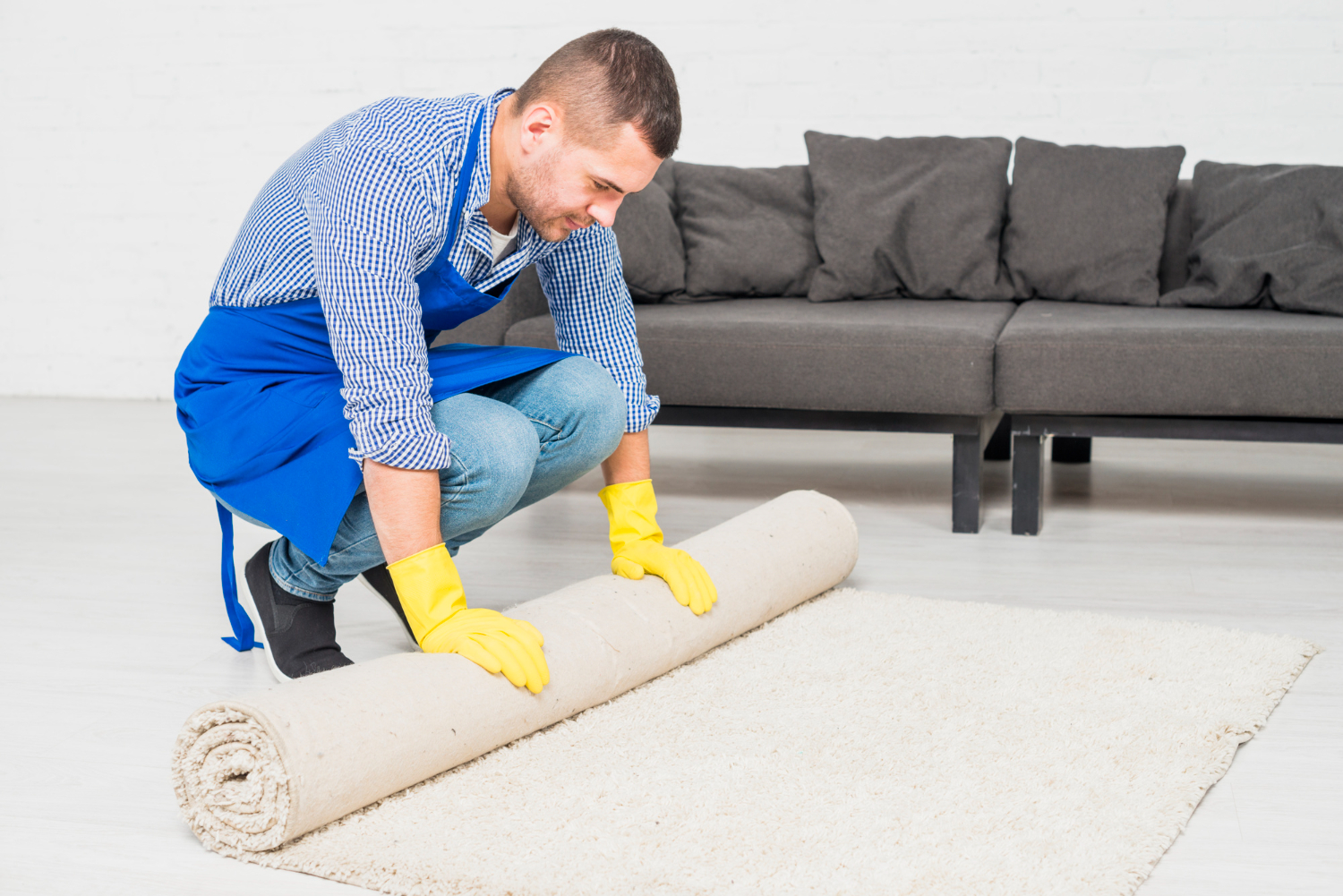
There’s a big difference between a worn area and one that’s just dirty. If you notice stubborn stains, unsalvageable odors, or frayed edges even after a professional cleaning, replacement is your best choice. For minor issues, a professional cleaner or spot treatment may be all you need.- When to clean: Minor stains, recent spills, or general dullness
- When to replace: Widespread matting, persistent odors, water damage, or aging fibers